
Field story:1
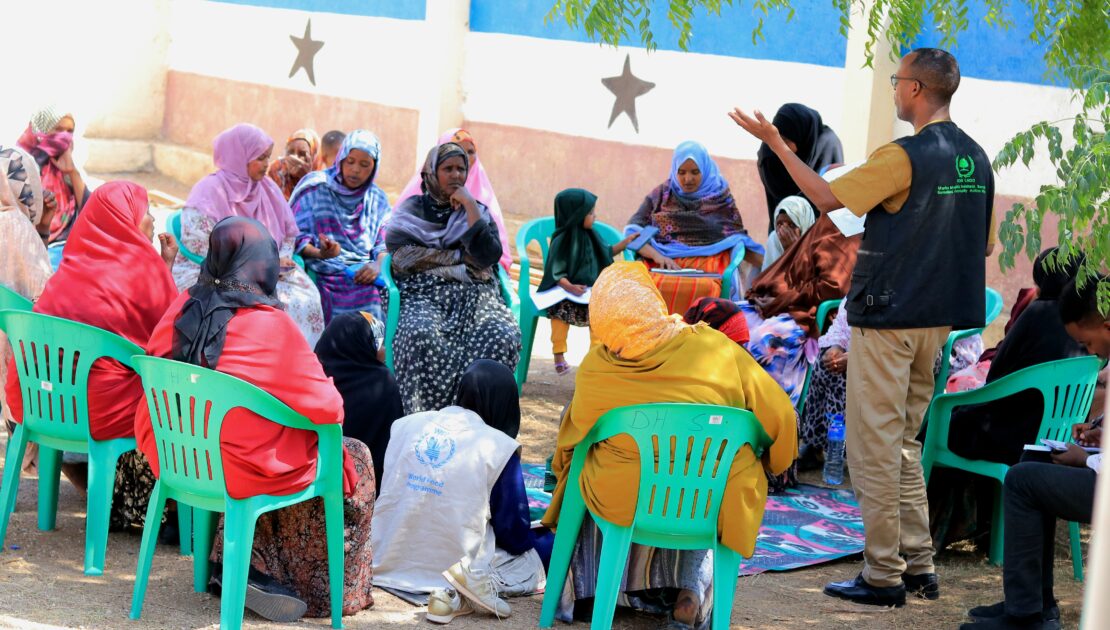
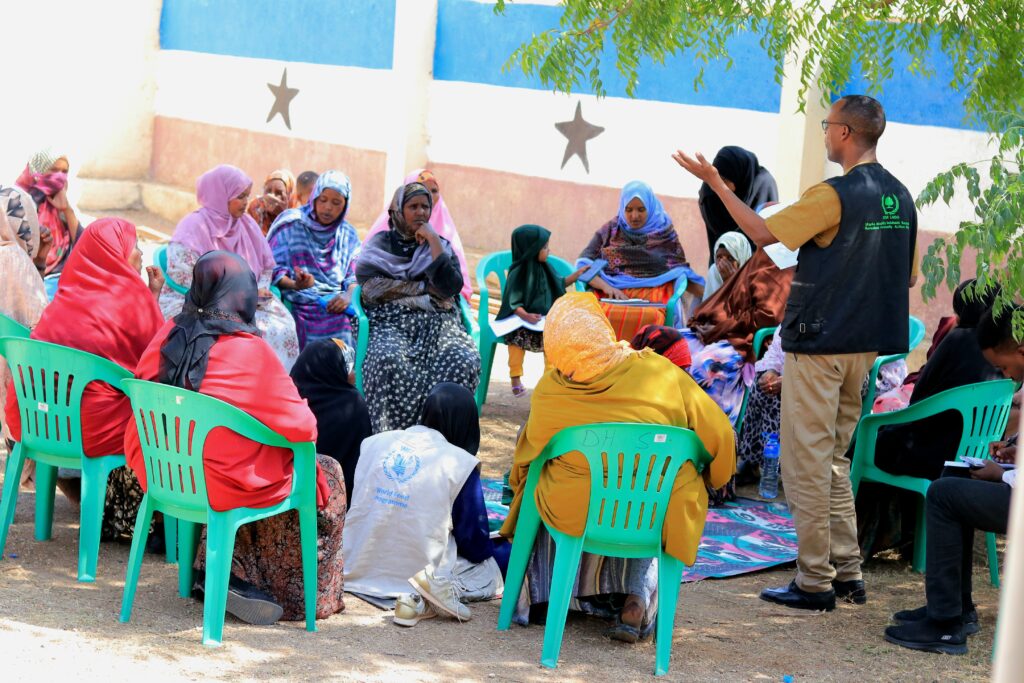
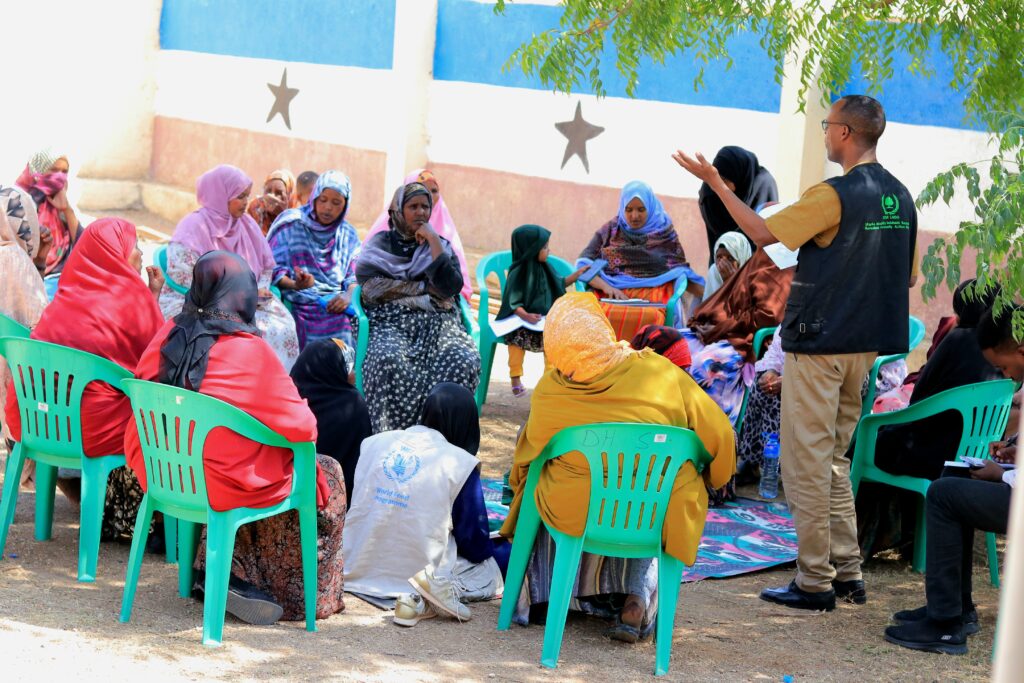
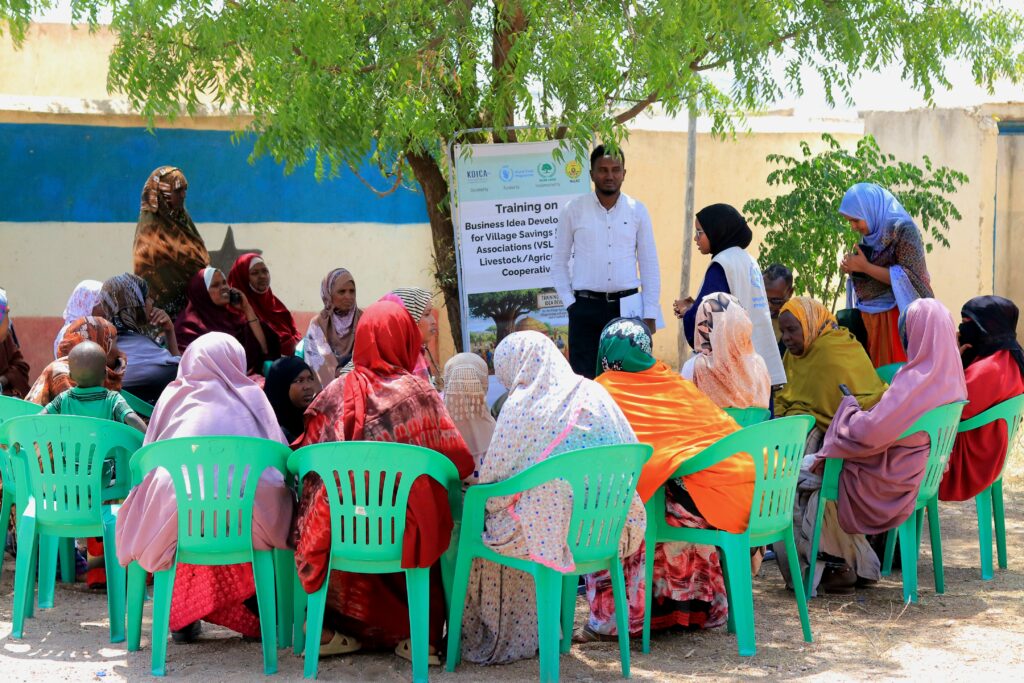
In Quljed village, Awdal region, women gather in a wide circle of chairs under a tree, notebooks and WFP-branded folders in hand, as a SCAN trainer leads a session on VSLA governance and bookkeeping. It’s a working session, not a formality — members are learning how their group should be run, from electing and holding leadership accountable to keeping accurate records of savings and loans.
What sets this session apart is who’s watching. A WFP field officer sits in on the training alongside the SCAN team, observing firsthand how the programme’s financial literacy component reaches women in one of the more remote parts of Quljed, Awdal. For the women in the circle, it’s a chance to ask questions and work through real governance scenarios with both their trainer and a donor representative in the room; for the programme, it’s a moment of direct oversight — proof, in the field, that VSLA groups are being built on sound governance as well as sound numbers.
Sessions like this one are part of the wider push under “Building Climate Resilience for Food Security,” donated by KOICA, funded by WFP, and implemented by SCAN, to give VSLA groups across Somaliland the governance skills and bookkeeping discipline they need to manage their own savings sustainably, long after the training ends.
continued) — Kulmiye Cooperative Registration.
Field story:
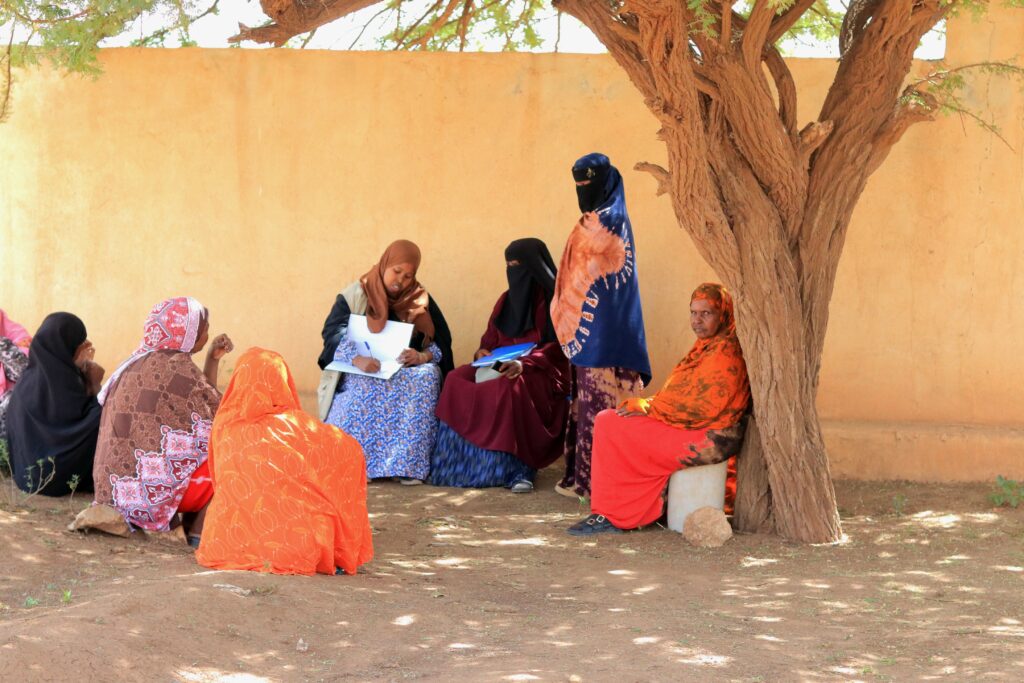
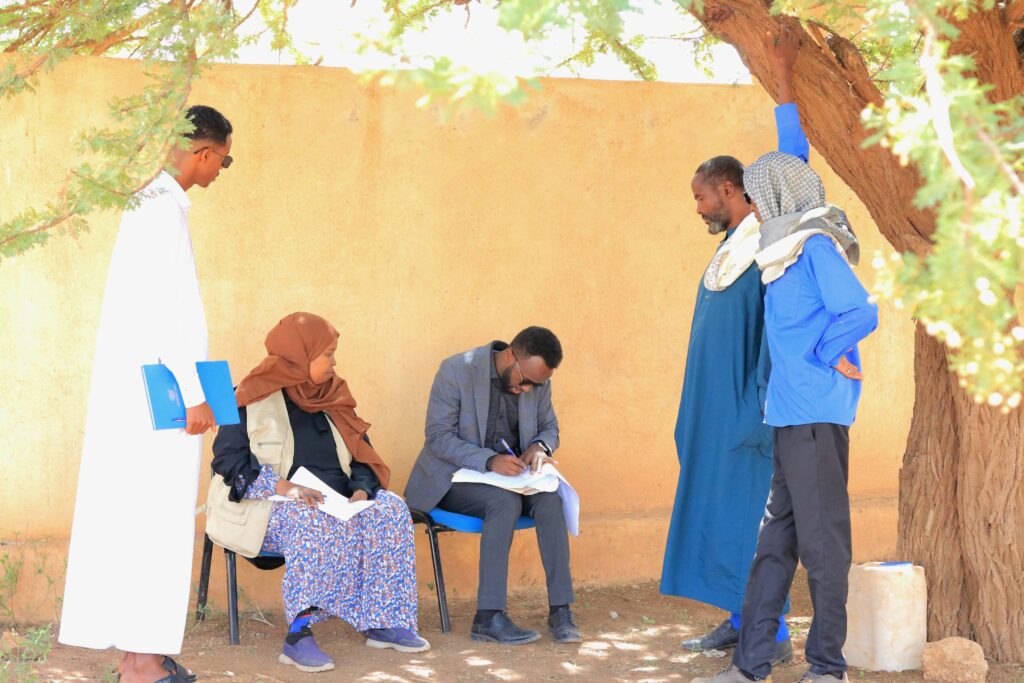
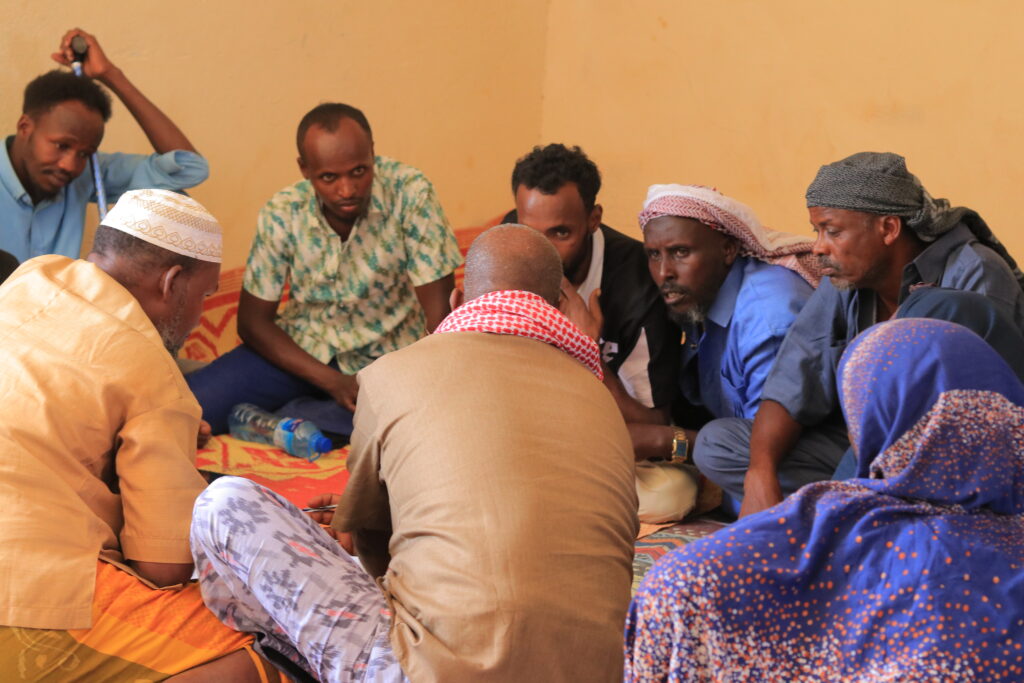
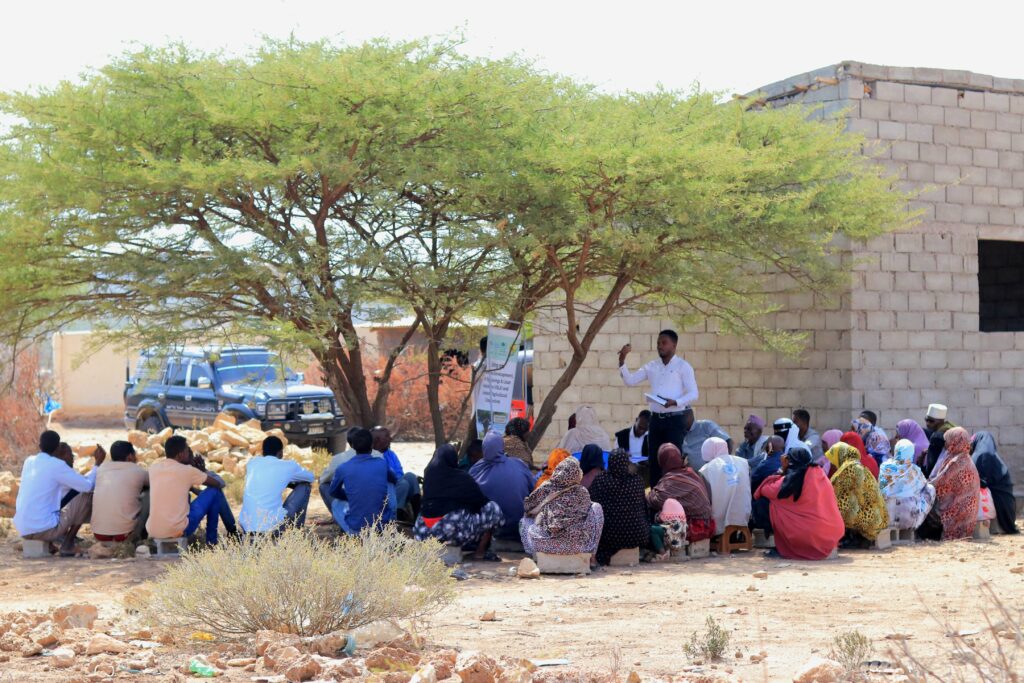
Under the shade of an acacia tree in Kalabaydh village, Gabiley region, a Ministry of Livestock and Rural Development official sits with members of the Kulmiye cooperative and SCAN’s field team, completing the paperwork needed to formally register the cooperative. It’s a quiet scene, but a decisive one: registration is the required step before Kulmiye can be recognised and supported by the Ministry, and before it can access funding under KOICA.
Getting a government official, cooperative members, and SCAN’s field team to the same table under one tree didn’t happen by chance. SCAN organized and facilitated the meeting, bringing the Ministry and the cooperative together, and stayed engaged afterward — following up with the Ministry until Kulmiye’s registration certificate was finally issued.
For Kulmiye’s members, that certificate means more than paperwork. It’s institutional recognition, a route to government backing, and a foundation the cooperative can build on long after the programme ends. It’s also a clear example of how “Building Climate Resilience for Food Security,” donated by KOICA, funded by WFP, and implemented by SCAN, works to link communities directly to the government structures meant to support them.
Project: Building Climate Resilience for Food Security in Somaliland
Donated by: KOICA (Korea International Cooperation Agency)
Funded by: WFP (World Food Programme)
Implemented by: SCAN (Somaliland Community Action Network)
Coverage area: Maroodijeex, Awdal, and Gabiley regions, Somaliland.
No Comments