
Background
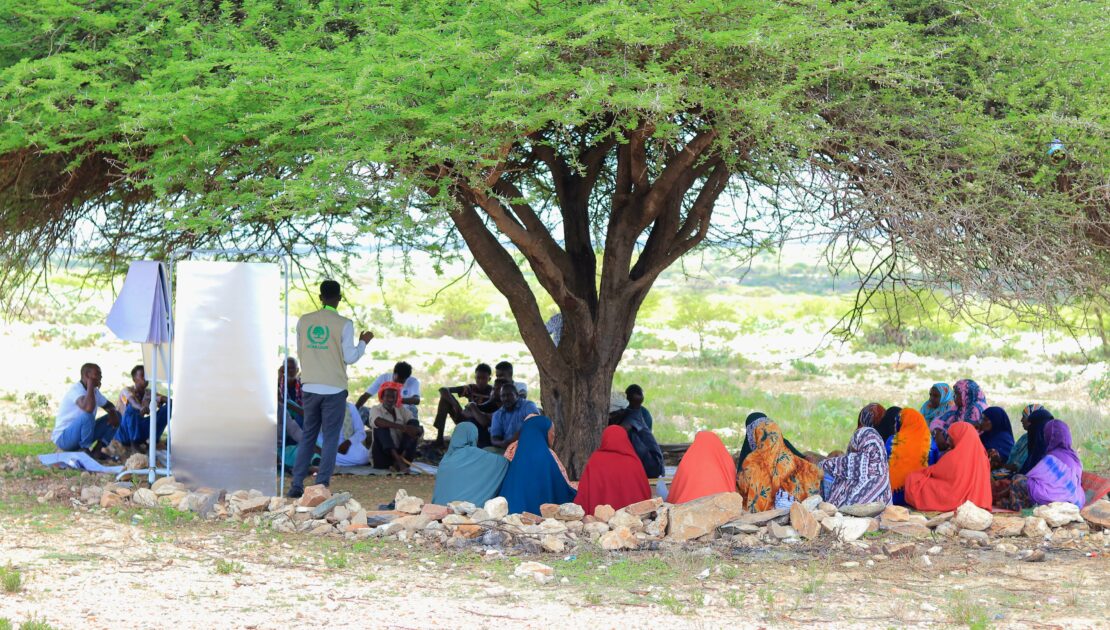
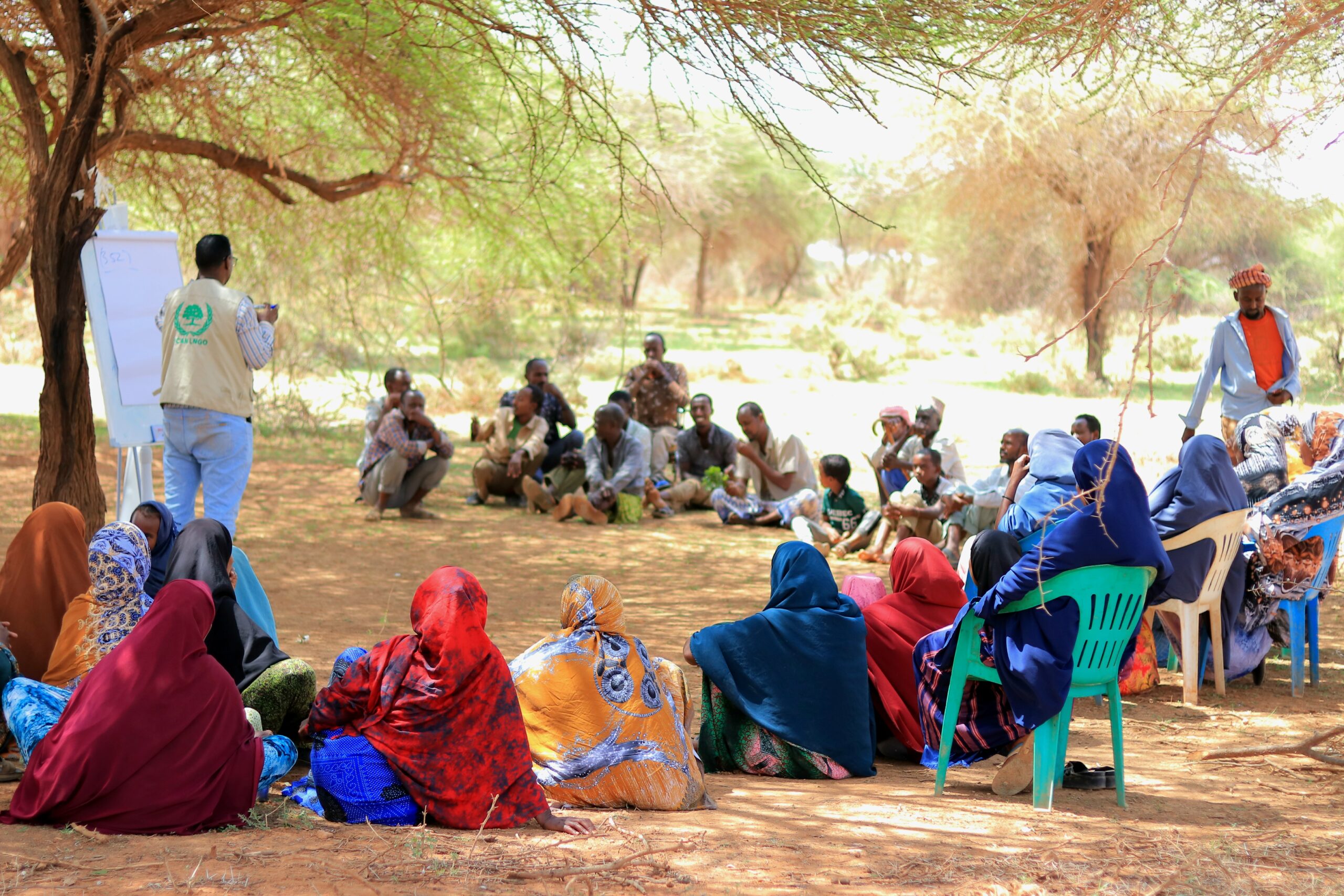
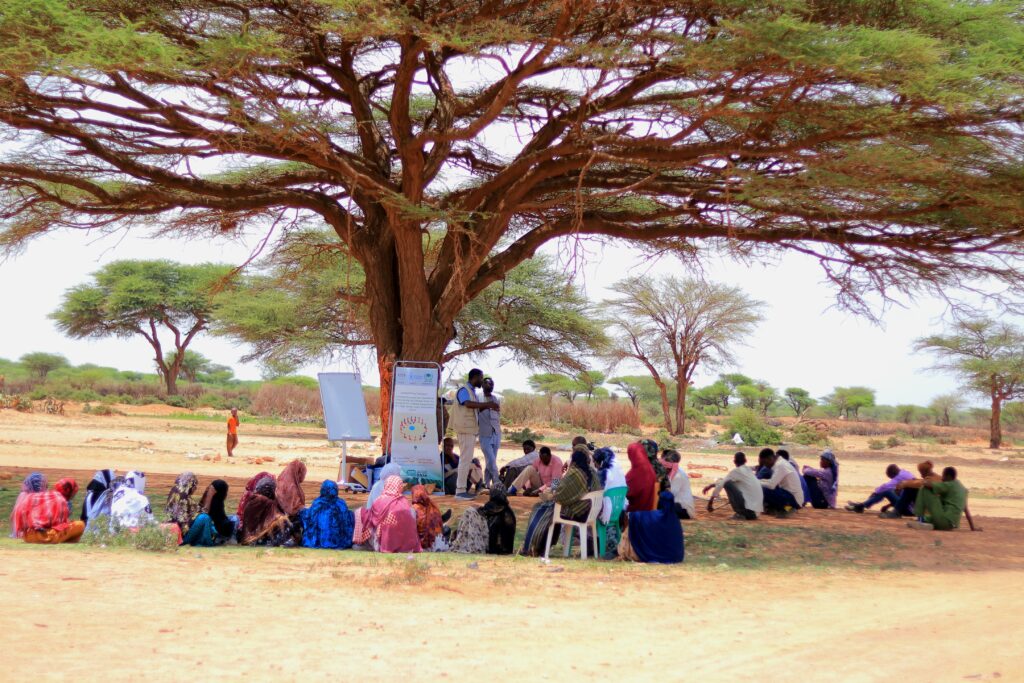
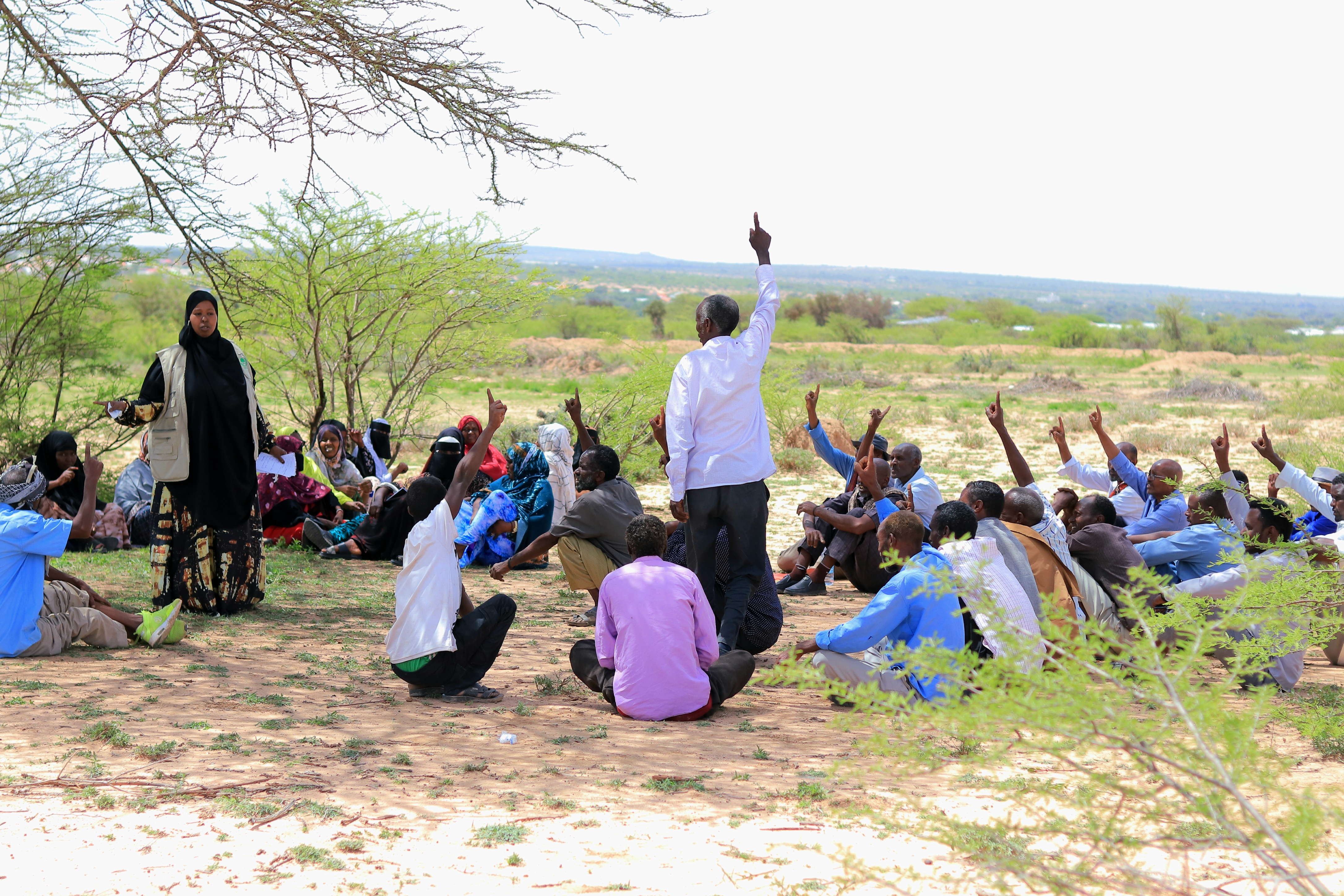
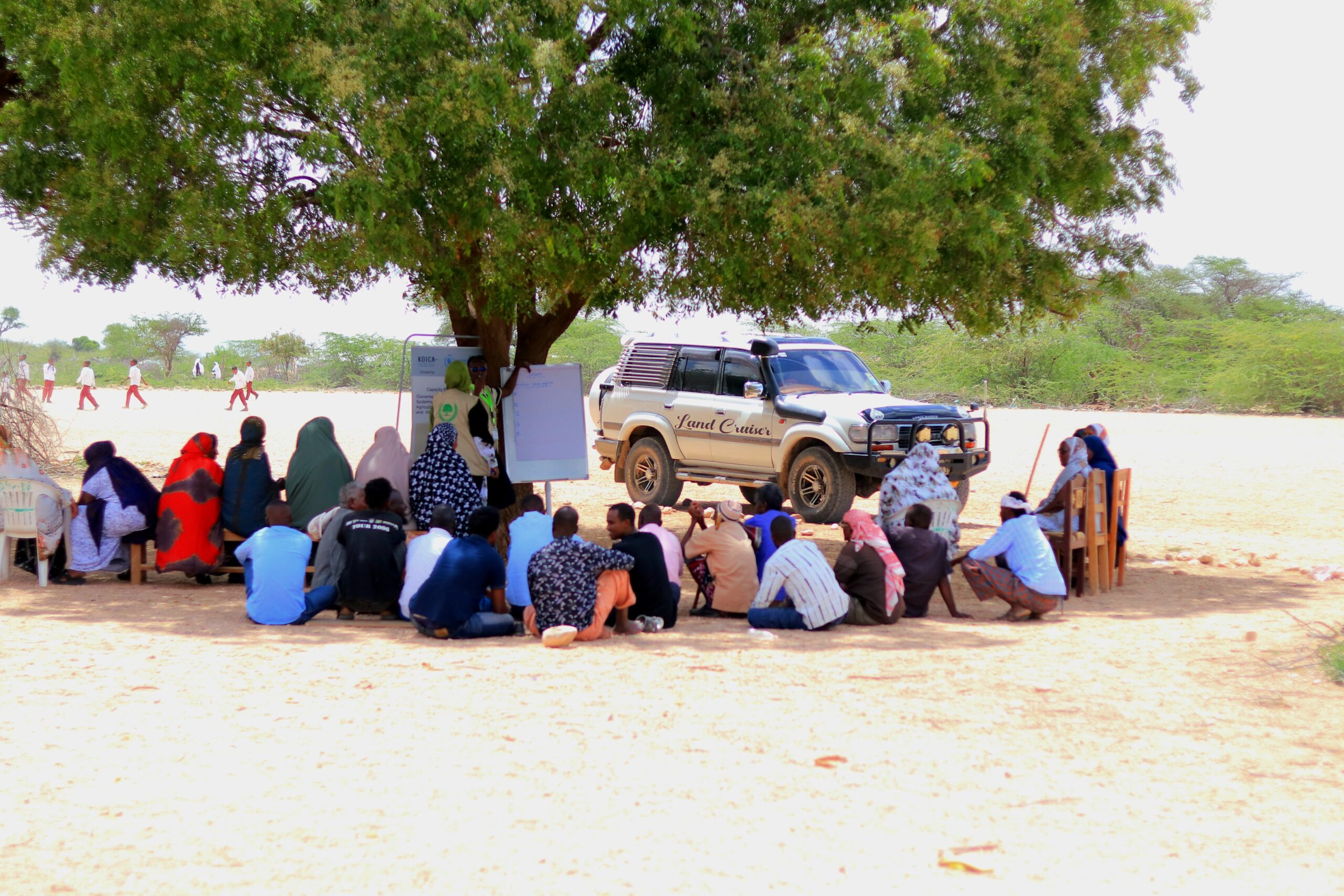
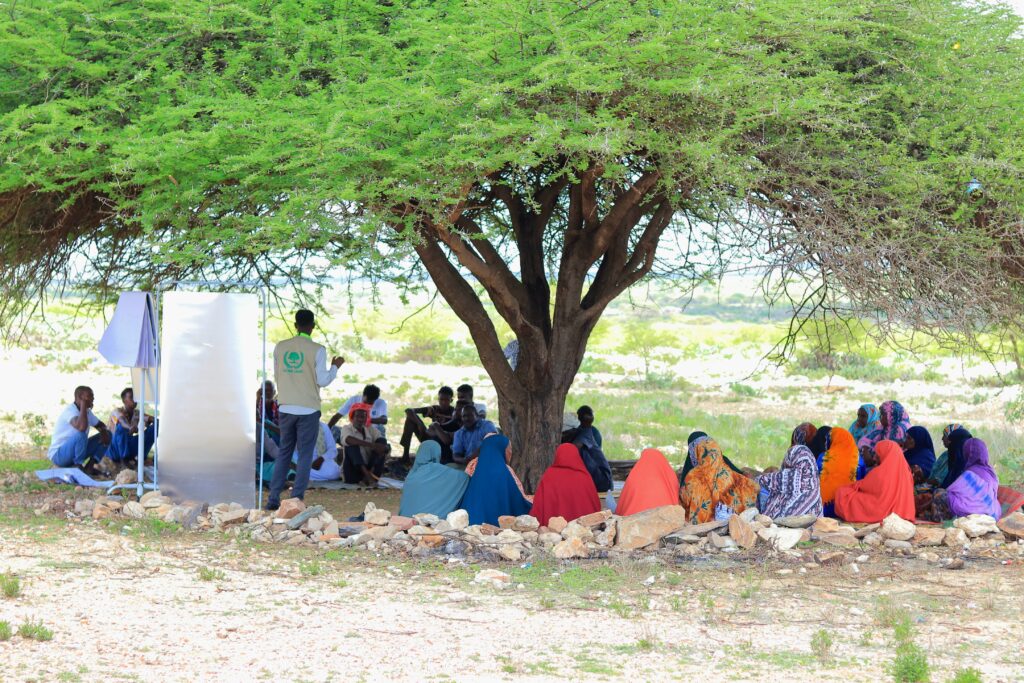
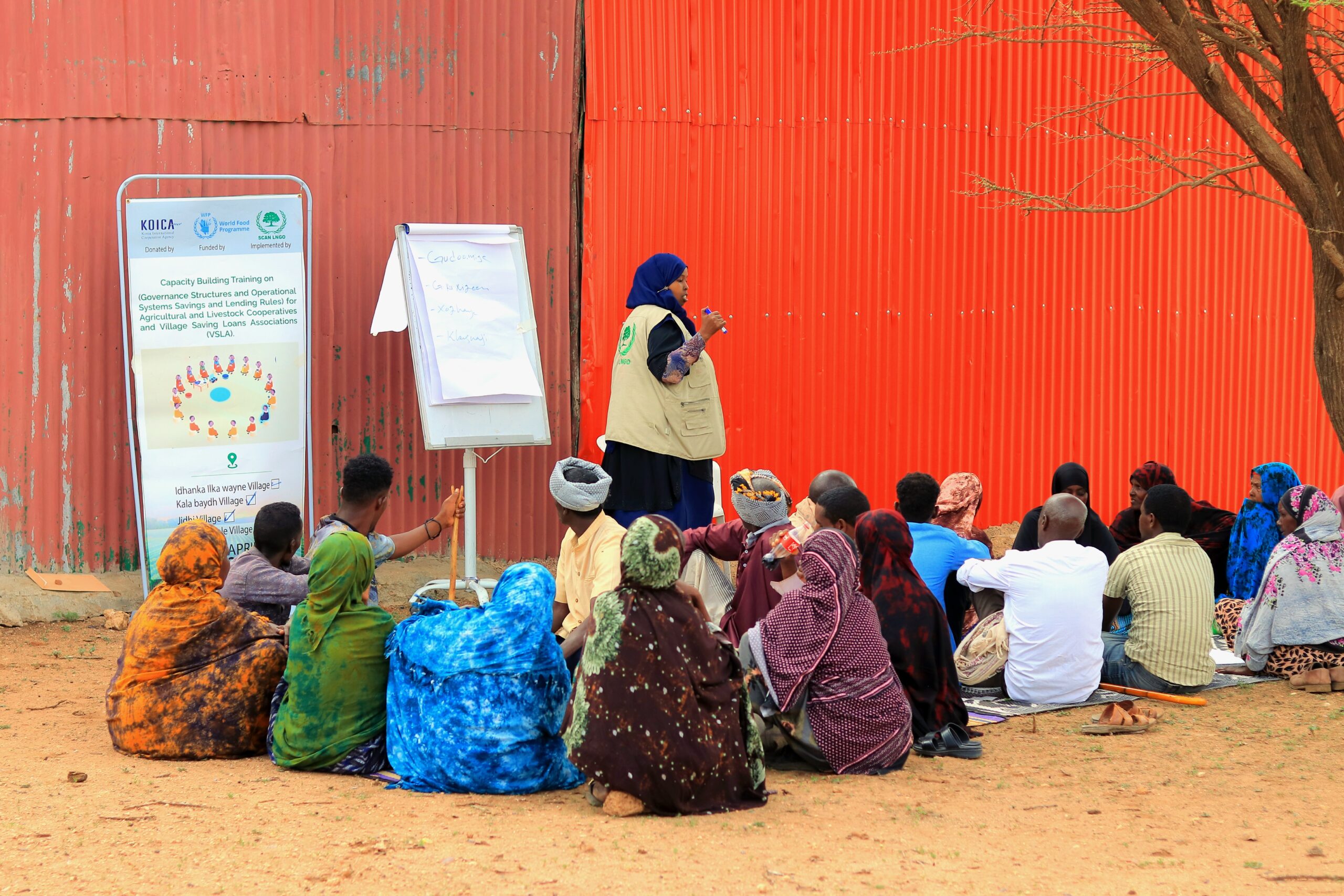
As part of the KOICA-funded project on Building Climate Resilience for Food Security in Somaliland, the Somaliland Community Action Network (SCAN), with support from the World Food Programme (WFP), conducted Capacity Building Training sessions for Agricultural and Livestock Cooperatives across 34 target villages in Maroodijeex, Gabiley, and Awdal regions.
The training aimed to strengthen the institutional capacity of newly established and existing cooperatives by enhancing their knowledge and skills in governance structures, operational systems, financial management, and savings and lending mechanisms. The initiative sought to improve cooperative management practices, promote accountability and transparency, and strengthen community resilience through sustainable economic and livelihood systems.
The training brought together cooperative leaders, committee members, women representatives, youth participants, and community stakeholders engaged in agricultural and livestock production activities.
Objectives of the Training
The overall objective was to strengthen the operational and governance capacities of agricultural and livestock cooperatives to enable them to effectively manage cooperative activities and improve community livelihoods.
Specific objectives included:
- To strengthen understanding of cooperative governance structures and leadership roles.
- To enhance knowledge of cooperative operational systems and management procedures.
- To build participants’ capacity on financial management, savings, and lending rules.
- To promote accountability, transparency, and participatory decision-making within cooperatives.
- To improve cooperative record-keeping and reporting practices.
- To encourage sustainable income generation and financial resilience among cooperative members.
- To strengthen women and youth participation in cooperative leadership and management.
Training Coverage and Participants
The capacity building training was conducted across the 34 target villages in the regions of Maroodijeex, Gabiley, and Awdal. Participants included:
- Agricultural cooperative members
- Livestock cooperative representatives
- Cooperative management committees
- Village leaders and elders
- Community development committees
Special emphasis was placed on ensuring inclusive participation of women and youth to strengthen equitable representation and leadership within cooperative structures.
Key Achievements
The training achieved several important outcomes, including:
- Improved understanding of cooperative governance and management systems among participants.
- Strengthened leadership and accountability capacities of cooperative committees.
- Increased awareness of savings and lending principles and financial management practices.
- Enhanced record-keeping and operational management skills.
- Strengthened participation of women and youth in cooperative activities.
- Improved community confidence in cooperative structures and financial systems.
- Increased commitment among cooperative members to promote transparency and collective decision-making.
The training contributed significantly to strengthening community-based institutions and enhancing economic resilience within the target communities.
No Comments